Plant-based daily wellness support

A calmer, more practical way to think about lymphatic health.

Lymph Tonic is presented as a daily botanical supplement for adults who want to support normal lymphatic function, circulation, and the body’s natural waste-removal processes. This page explains the product in clear terms, places it within a broader wellness routine, and avoids unrealistic promises.

Plant-based positioning Designed for regular use Made in quality-controlled facilities
Wellness, not shortcuts A supplement should complement hydration, movement, sleep, and appropriate medical care.
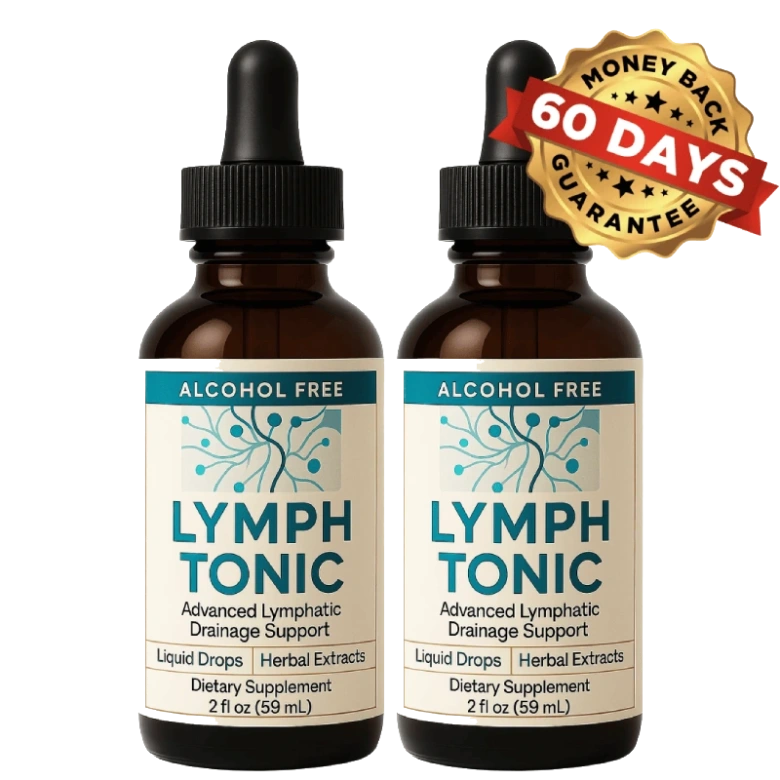
Two bottles of Lymph Tonic plant-based lymphatic support supplement
The foundation

Understanding the lymphatic system before evaluating a supplement

A responsible product guide begins with the body system itself. The lymphatic system is not a single organ or a simple “detox pathway.” It is a network of vessels, nodes, tissues, and organs that works alongside the circulatory and immune systems.

The lymphatic system helps maintain fluid balance throughout the body. Fluid naturally leaves the bloodstream and enters surrounding tissues. Much of that fluid returns directly to the blood, while the remainder is collected by lymphatic vessels. This collected fluid, called lymph, moves through a series of vessels and lymph nodes before returning to the circulatory system.

Lymph nodes act as checkpoints. They contain immune cells that help identify and respond to unfamiliar substances. The network also plays a role in transporting certain dietary fats from the digestive tract. Because these duties involve fluid movement, immune activity, and waste handling, the lymphatic system is often discussed in connection with swelling, heaviness, recovery, and overall wellness.

Unlike the heart-driven circulatory system, the lymphatic network does not rely on one central pump. Normal muscle movement, changes in pressure created by breathing, and contraction of lymphatic vessels help move lymph through the body. This is why long periods of inactivity may leave some people feeling stiff, puffy, or heavy, even though those sensations can have many possible causes.

Why balanced language matters

Words such as “cleanse” and “detox” are common in wellness marketing, but they can be misunderstood. The body already has complex systems for processing and eliminating waste, including the liver, kidneys, digestive tract, lungs, circulatory system, and lymphatic system. A supplement does not replace these organs or force the body into a dramatic cleansing state.

A more accurate way to evaluate Lymph Tonic is to ask whether its plant-based formula can serve as a consistent addition to a healthy lifestyle. That means looking at manufacturing standards, ingredient transparency, the product’s intended role, personal tolerance, and how it fits with medical conditions or medications.

It is also important not to self-diagnose. Persistent or sudden swelling, unexplained pain, redness, fever, enlarged lymph nodes, breathing difficulty, or swelling that affects one limb more than the other should be discussed with a qualified healthcare professional. These signs can have causes that require proper examination rather than a general wellness supplement.
Four core roles

What healthy lymphatic function contributes to

These functions overlap with other systems in the body. Supporting general health therefore involves more than one product or one habit.

01

Fluid balance

Lymphatic vessels collect excess fluid from tissues and help return it to circulation, supporting normal fluid distribution throughout the body.

02

Immune transport

Lymph nodes and associated tissues contain immune cells that monitor lymph and participate in the body’s normal defense processes.

03

Waste handling

The network transports cellular by-products and other materials toward areas where the body can process or remove them through its established pathways.

04

Fat absorption

Specialized lymphatic vessels in the small intestine help absorb and transport certain fats and fat-soluble nutrients after meals.

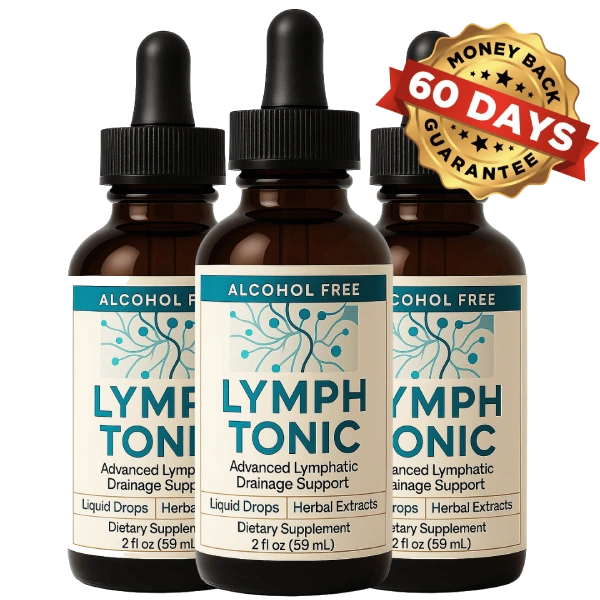
Three bottles of Lymph Tonic supplement
Product overview

Where Lymph Tonic may fit into a daily wellness routine

Lymph Tonic is described as a plant-based dietary supplement created to support normal lymphatic activity, circulation, and the body’s natural cleansing functions. Its positioning is focused on consistency rather than an immediate or dramatic effect.

The formula is said to combine traditional herbal extracts associated with lymphatic wellness and healthy circulation. Because the exact experience may differ from person to person, it is more useful to think of the supplement as one optional component of a broader routine that also includes water intake, movement, balanced food, sleep, and medical guidance when needed.

Plant-based approach: intended for people who prefer a botanical wellness formula.
Daily-use format: designed to be taken consistently according to the product label.
Quality-conscious production: described as manufactured in FDA-registered and GMP-certified facilities.
Non-GMO positioning: made with responsibly sourced ingredients according to the product description.
View Product Information
A realistic framework

How to assess your experience over time

Supplements are easier to evaluate when expectations are specific, moderate, and connected to an otherwise stable routine.

Step one

Establish your baseline

Before starting, notice your usual energy, hydration, movement, sleep, digestive comfort, and any recurring puffiness. This makes it easier to judge changes without relying on memory alone.

Step two

Follow the label

Use only the suggested serving listed on the product packaging. Taking more than recommended does not guarantee a better result and may increase the likelihood of unwanted effects.

Step three

Review the whole routine

Reassess after a consistent period. Consider not only the supplement but also hydration, sodium intake, activity, sleep, travel, stress, and any changes in medications or health.

Daily habits

The strongest support plan is usually simple and repeatable.

Lymph movement is influenced by everyday behavior. A supplement may be part of the picture, but it should not become a substitute for habits that directly support circulation, fluid balance, and general health.

Move regularly: Walking, gentle stretching, strength training, and posture changes activate muscles that help support fluid movement.
Breathe deeply: Comfortable diaphragmatic breathing creates pressure changes in the chest and abdomen that support normal lymph movement.
Stay appropriately hydrated: Fluid needs vary, but steady water intake supports circulation and normal body functions.
Eat a balanced diet: Whole foods, adequate protein, fiber, fruits, vegetables, and moderate sodium intake support overall wellness.
Protect sleep: Consistent sleep supports immune regulation, recovery, energy, and healthy decision-making.
Expectation check

Useful expectations versus misleading expectations

This comparison helps separate reasonable wellness goals from claims that should be approached with caution.

Area Balanced expectation Expectation to avoid
Daily use A convenient botanical addition to an established wellness routine. A single product that replaces movement, hydration, nutrition, or medical care.
Timing Individual response may be gradual and can vary widely. Guaranteed transformation within a fixed number of hours or days.
Swelling General lifestyle support may help some people feel more comfortable. Treating unexplained, persistent, sudden, or one-sided swelling without evaluation.
Detoxification Supporting the body’s existing natural processes through healthy habits. Removing unspecified “toxins” through a dramatic cleanse or purge.
Energy Better routine consistency may support a steadier sense of well-being. A guaranteed stimulant-like surge or a cure for ongoing fatigue.
Safety Review ingredients, follow the label, and ask a clinician when appropriate. Assuming “natural” automatically means risk-free for every person.
Safety and suitability

Who should take extra care before using a botanical supplement?

Plant-based products can still cause side effects or interact with medications. Personal health history matters more than marketing language.

Speak with a healthcare professional first

This is especially important during pregnancy or breastfeeding, before surgery, when managing kidney, liver, cardiovascular, immune, or bleeding conditions, or when taking prescription medicine. A pharmacist can also help review potential ingredient interactions.

Stop and seek advice if needed

Discontinue use if you notice a rash, breathing difficulty, significant digestive upset, dizziness, unusual bleeding, or another concerning response. Urgent symptoms require prompt medical care rather than continued self-experimentation.

Review the complete label

Check the supplement facts panel, serving size, ingredient list, allergen statements, storage directions, and warnings. Product photos and general descriptions are not a substitute for the current label on the bottle.

Know when swelling needs assessment

New or worsening swelling can be associated with injury, medication effects, circulation problems, infection, organ conditions, or lymphatic disorders. A clinician can help identify the cause and recommend appropriate care.

Before purchasing

A simple checklist for evaluating any daily wellness supplement

The product name and front-label design are only the beginning. A careful decision also considers transparency, suitability, routine fit, and the practical terms attached to the purchase.

Confirm the current formula

Ingredient lists can change over time. Review the latest Supplement Facts panel rather than relying only on an older article or image. Look at serving amounts, botanical forms, additional ingredients, capsule materials, and any allergen information. When a proprietary blend is used, remember that the amount of each individual component may not be listed separately.

Check routine compatibility

A supplement is easier to use consistently when its serving schedule fits your day. Consider whether it should be taken with food, whether multiple capsules are required, and whether the directions conflict with other products you already use. Avoid stacking several formulas with overlapping herbs unless a qualified professional has reviewed the combined intake.

Review purchasing terms

Before ordering, read the current price, package quantity, shipping terms, renewal conditions, refund policy, and customer-service details. Save the confirmation page and receipt. Clear documentation makes it easier to resolve a delivery, billing, or return question without depending on memory.

Use a measured decision process

Decide in advance what outcome you are reasonably evaluating and how long you will review the routine. Keep other habits as consistent as practical, note any unwanted effects, and stop when the product does not suit you. The goal is not to justify a purchase; it is to determine whether the product responsibly fits your needs.

Common questions

Lymph Tonic FAQ

These answers keep the product in context and focus on practical use rather than exaggerated claims.

What is Lymph Tonic intended to support?

Lymph Tonic is positioned as a plant-based supplement for adults interested in supporting normal lymphatic function, circulation, natural waste-handling processes, and overall daily wellness. It is not presented here as a treatment for a medical condition.

Can Lymph Tonic replace exercise or hydration?

No. Movement and appropriate hydration are basic parts of normal circulation and fluid balance. A dietary supplement may complement these habits, but it does not provide the same physical effects as walking, stretching, muscle activity, breathing, or adequate fluid intake.

How quickly should someone expect to notice a difference?

There is no universal timetable. The experience may depend on health status, diet, activity, sleep, hydration, medications, and individual tolerance. Be cautious of any message that promises a specific outcome within a fixed period.

Is Lymph Tonic suitable for everyone?

Not necessarily. People who are pregnant, breastfeeding, preparing for surgery, managing a chronic condition, or using medication should ask a qualified healthcare professional before starting a botanical supplement. Always follow the current label.

Does “FDA-registered facility” mean the product is FDA-approved?

No. Facility registration and compliance-related manufacturing statements are different from FDA approval of a dietary supplement. Supplements are not approved in the same way as prescription drugs. Review the manufacturer’s current documentation for exact quality claims.

What does GMP-certified manufacturing mean?

GMP refers to Good Manufacturing Practices, which are standards intended to support consistent production, cleanliness, documentation, and quality control. The specific certification and inspecting organization should be confirmed through the manufacturer when that detail is important to your decision.

Can a supplement cure lymphatic blockage or lymphedema?

A supplement should not be treated as a cure for lymphedema, obstruction, infection, or another diagnosed lymphatic condition. These conditions may require clinical assessment, compression, specialized therapy, medical treatment, or other professional care.

What is the best way to use this page?

Use it as an educational starting point. Then review the actual product label, compare the formula with your health needs, discuss questions with a healthcare professional, and make a decision based on realistic expectations and personal safety.

Review the official product details before deciding.

Check the current ingredients, directions, warnings, availability, and purchasing terms on the product website. Consider whether the formula fits your routine and speak with a healthcare professional when appropriate.

Visit Official Website